




Electroless nickel
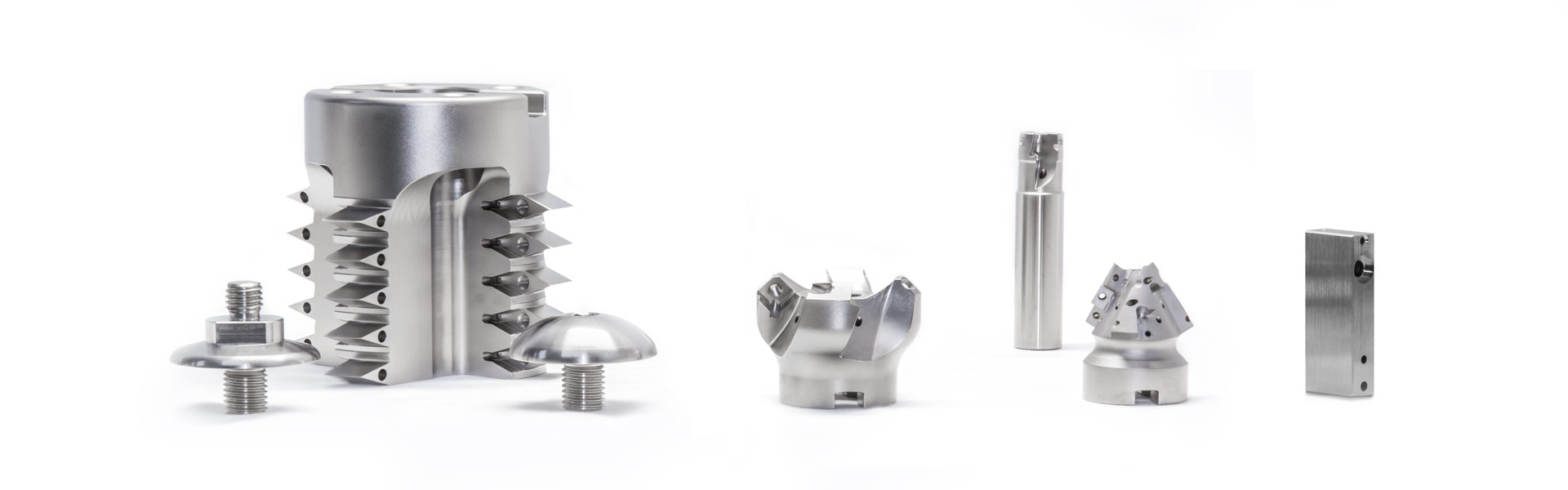
We coat steel, aluminum, and brass
Electroless nickel is a homogeneous and pore-free nickel-phosphorus alloy coating (NiP). It is characterized by its high resistance to wear. The level of corrosion protection is also very high depending on the electrolyte used and the phosphorus content.
The extremely even universal coat application guarantees the dimensional accuracy of the coat thicknesses. The finished surface is also conductive. Electroless nickel that can be soldered is additionally true to contour in the depositing process.
This coating enables an even coat thickness at holes, corners, and edges.
The extremely even universal coat application guarantees the dimensional accuracy of the coat thicknesses. The finished surface is also conductive. Electroless nickel that can be soldered is additionally true to contour in the depositing process.
This coating enables an even coat thickness at holes, corners, and edges.

Advantages
|
|
|
|
|
|
|
Application areas
|
|
|
|
|
|
|
|
Examples
|
|
|
|
|
|
|
Procedural variants
Low-Phos
For high wear protection
Mid-Phos
For good wear protection
High-Phos
For special corrosion protection
Partial coatings
Partially coating workpieces is crucial for special applications. This process means considerable additional effort, because a partial coating is always individual custom work that requires careful planning and preliminary work.
Areas that are not to be coated are carefully masked and therefore remain untreated.
We would be delighted to develop a concept for your order.
Thermal post-treatment
Thermal post-treatment can be used to increase the surface hardness and wear behavior of electroless nickel alloy coatings. This downstream process verifiably leads to improved coat adhesion.
The heat treatment (tempering) is carried out in a annealing furnace at temperatures up to 400°.
Have we convinced you?
Then feel free to contact us.
Then feel free to contact us.